
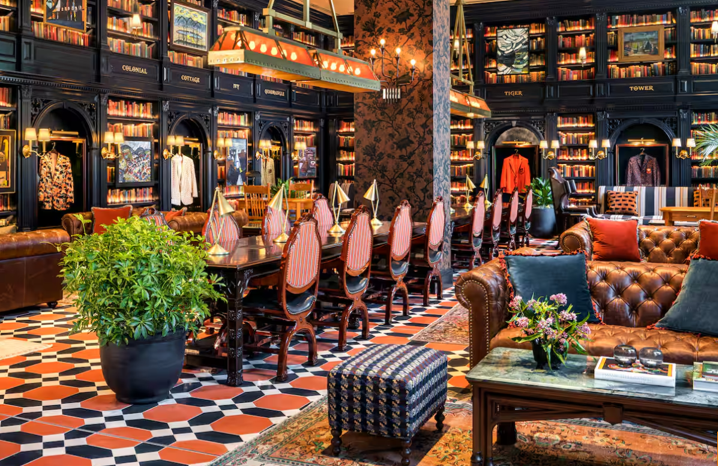
For centuries, taverns and hotels have been at heart of Central Jersey’s social and economic life. The region is located at the midpoint of a two-day horse and carriage ride between colonial America’s two biggest cities—New York and Philadelphia—creating demand in Central Jersey for taverns and hotels serving hungry, thirsty, and weary travelers.
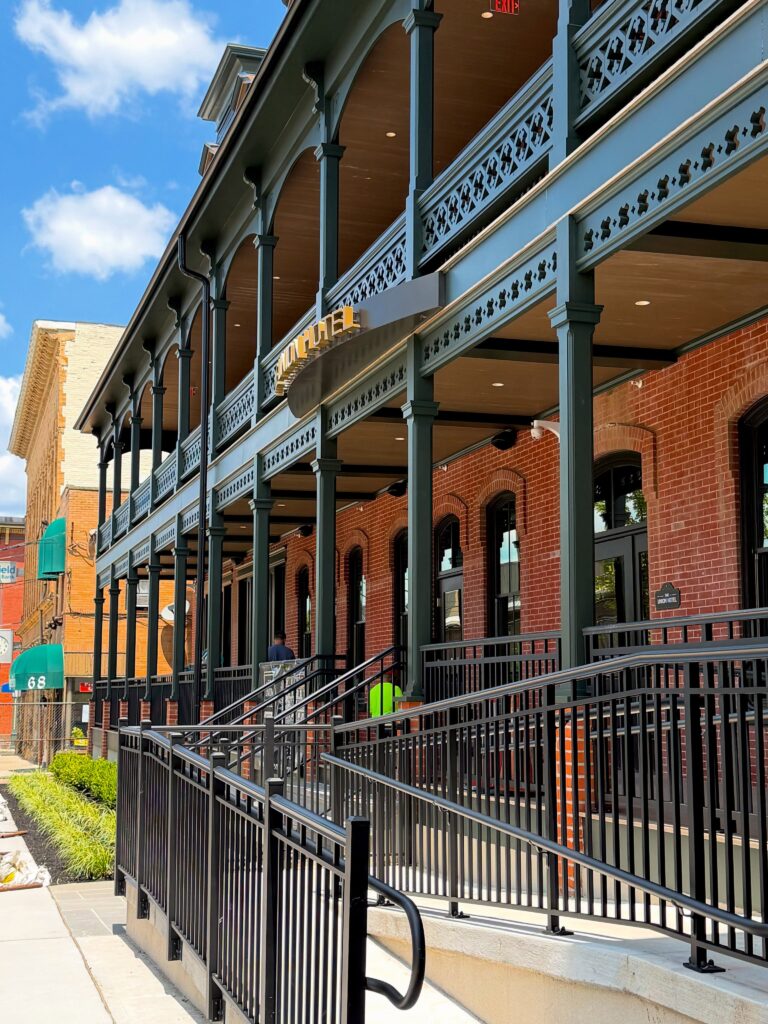
Flemington’s Union Hotel reborn.
Today, Central Jersey’s hotel and tavern tradition is back in style with the reopening of historic hotels suited to leisure travelers with a love of both history and modern amenities, ending the region’s chronic shortage of destination hotels.
No property better embodies the deep-rooted evolution of New Jersey’s tavern life history than the Union Hotel in downtown Flemington. Originally established in 1814 as a bustling stagecoach stop, this 212-year-old landmark has anchored the county seat through every era of American travel, famously housing global journalists during the 1935 Lindbergh trial.
After sitting dark for nearly two decades, the hotel expects to open (UPDATE: on SEPTEMBER15) with an extensive, highly anticipated restoration to open its doors to a new generation. Operating as part of Marriott’s exclusive Tribute Portfolio, the hotel beautifully merges its preserved 19th-century structural “bones” with contemporary refinement.
The Union Hotel offers 100 guest rooms and three dining experiences, including New Jersey Prime Steakhouse Fieldhouse Social—a lively entertainment hub with duckpin bowling lanes and golf simulators, as well as JP’s Speakeasy for historic cocktail curation, honoring the hotel’s tavern roots.
The King’s Highway
Before, during, and after the American Revolution, three main routes between New York and Philadelphia were used by stagecoach passengers. The central route, known as the King’s Highway, passed through Princeton, where the Continental Congress met in the university’s Nassau Hall.
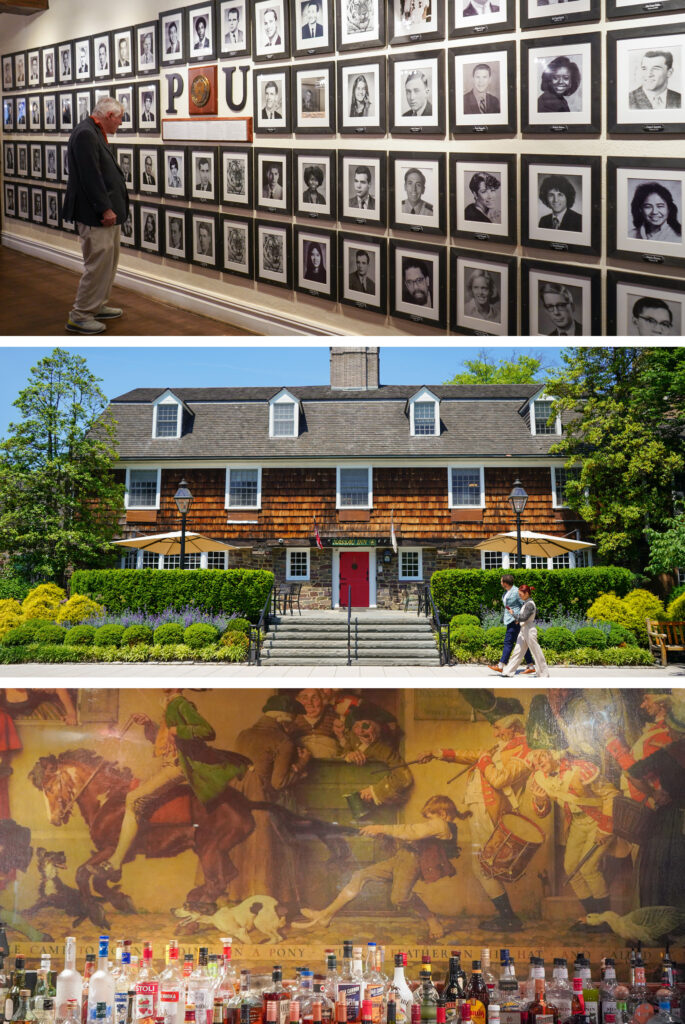
Princeton’s Nassau Inn adorned by famous grads and Norman Rockwell.
In a nod to the importance of early tavern life, the local historical society currently is offering an outdoor exhibit, Princeton’s Taverns: On the Road to Revolution. Long a favorite of town and gown visitors, the historic Nassau Inn,with 188 rooms, has been continuously welcoming travelers since 1769. Having hosted members of the Continental Congress during the Revolutionary War. The Inn’s legendary Yankee Doodle Tap Room remains a mandatory stop for heritage tourism, complete with a massive, original wall mural painted specifically for the space by Norman Rockwell, plus yearbook photos of legendary university graduates, from Bill Bradley to Brooke Shields.
Adding to a vibrant downtown vibe is the Graduate by Hilton, Princeton, offering an opulent Ivy League ambiance with inspired guest rooms and on-site restaurant and coffee bar. Located on historic Nassau Street—the old carriage route, the King’s Highway—this 180-room hotel occupies a beautifully converted 1918 student dormitory.
As a destination, Princeton offers something to everyone: The reopened Princeton University Art Museum and McCarter Theater, the historic Morven Mansion with its Five Independent Souls exhibit about New Jersey’s five signers of the Declaration of Independence, and one of the most exciting farm-to-table restaurant scenes of the east, which includes the fare available at the venerable Peacock Inn.
The Old York Road
The northern route between the great colonial cities of New York and Philadelphia was known as the Old York Road, which crossed the Delaware River at Lambertville, turned north through the quaint river town of Stockton, before heading east through Somerville.
The route is packed with historic inns and taverns, starting with Lambertville Station and the smaller Lambertville House at the Delaware River crossing point, as well as the Stockton’s Woolverton Inn, which recently converted its historic barn into a fine dining restaurant.
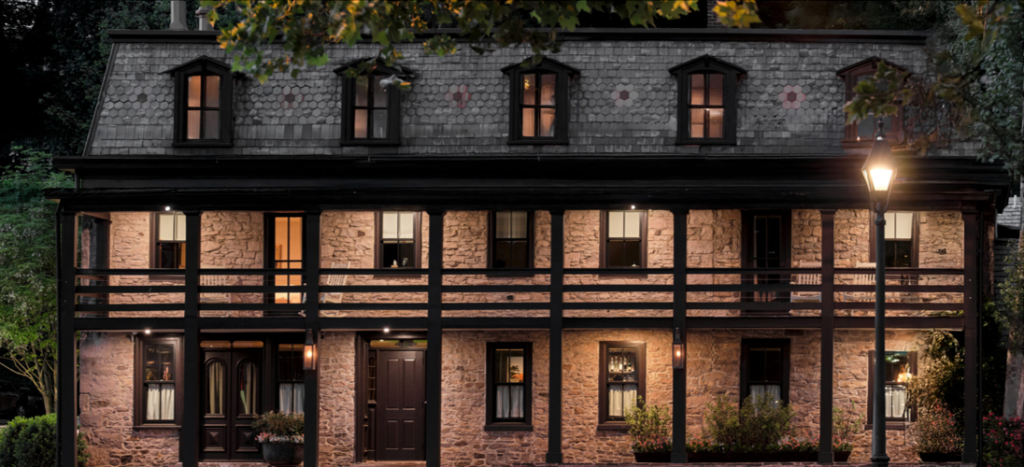
Dining at the 1710 Stockton Inn has never been so elegant as today.
But locals as well as travelers are especially thrilled by the reborn Stockton Inn, a flawless monument to early American tavern culture, and the focus of a recent New York Times real estate feature. Originally constructed in 1710, it operated for centuries as a vital rest stop for merchants and travelers navigating the river valley. Famously inspiring the iconic Rodgers and Hart melody “There’s a Small Hotel,” the historic estate recently underwent a masterful, multi-year preservation project.
The revived inn offers nine meticulously designed boutique suites, but the true focal point remains its food and beverage program, which is earning rave reviews. For agritourism enthusiasts, it represents the ideal pastoral escape—steps from the Delaware & Raritan Canal State Park trail and featuring a culinary philosophy tightly intertwined with regional foragers, organic farms, and local micro-breweries.
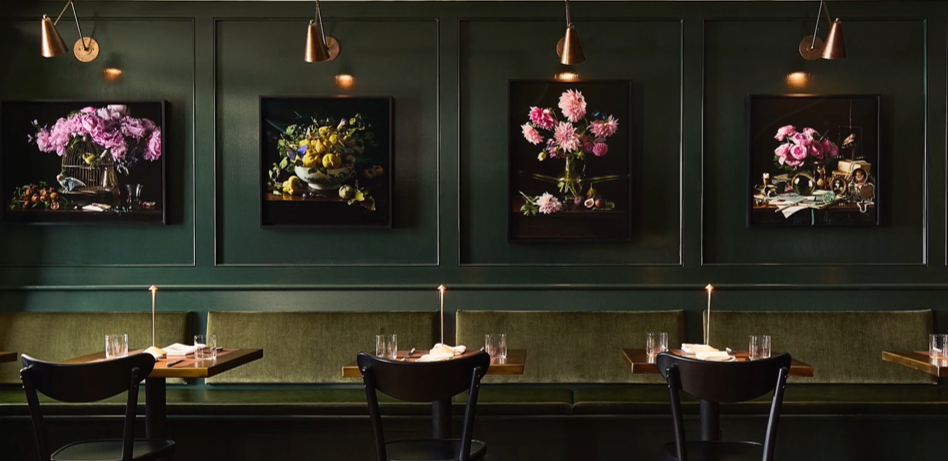
The Stockton Inn’s fine dining room.
The Lower Route
The third route through Central Jersey was the “lower route,” or “Lawrie’s Road,” through Burlington, Bordentown, Cranbury, Hightstown, and Perth Amboy, the state’s colonial capital. Mostly tracking today’s Route 130, the mid-point towns are Cranbury and Hightstown. Although these towns lack the overnight historic accommodations found elsewhere, the 1780 Cranbury Inn still provides an colonial-style restaurant experience. Up the road in Hightstown, you’ll find farm-to-table authenticity at 12 Farms Restaurant and tavern style beer at the Old Hights Brewery.
Because of this, hotel and tavern life became the literal lifeblood of the region. Towns like Princeton, Flemington, and Stockton grew entirely around the necessity of the wayside inn—sanctuaries where travelers could find a warm hearth, a hearty pint, fresh horses, and a place to rest their heads.
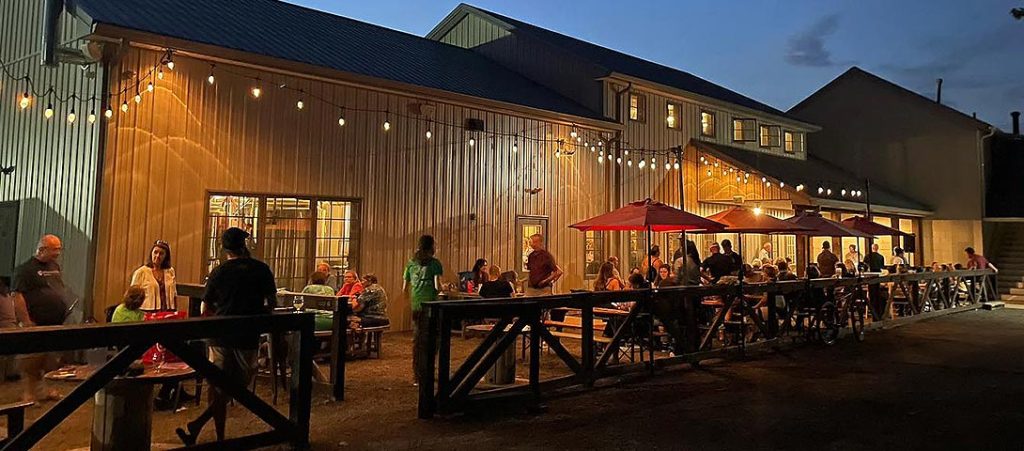
Old Hights Brewing brings tavern life back to Hightstown.
Today, a spectacular hospitality renaissance is sweeping across these exact same coordinates, and supplemented by farm experiences, wineries and breweries, farm-to-table restaurants, and cultural attractions that make it the perfect vacation destination.
Historic landmarks are being reborn as world-class boutique destinations, seamlessly blending centuries-old tavern heritage with modern luxury to capture the hearts of heritage tourism and agritourism travelers alike.

For more information about everything to see and do in Central Jersey, visit discovercentralnj.com. This article is supported in part by a grant from New Jersey Department of State, Division of Travel and Tourism.
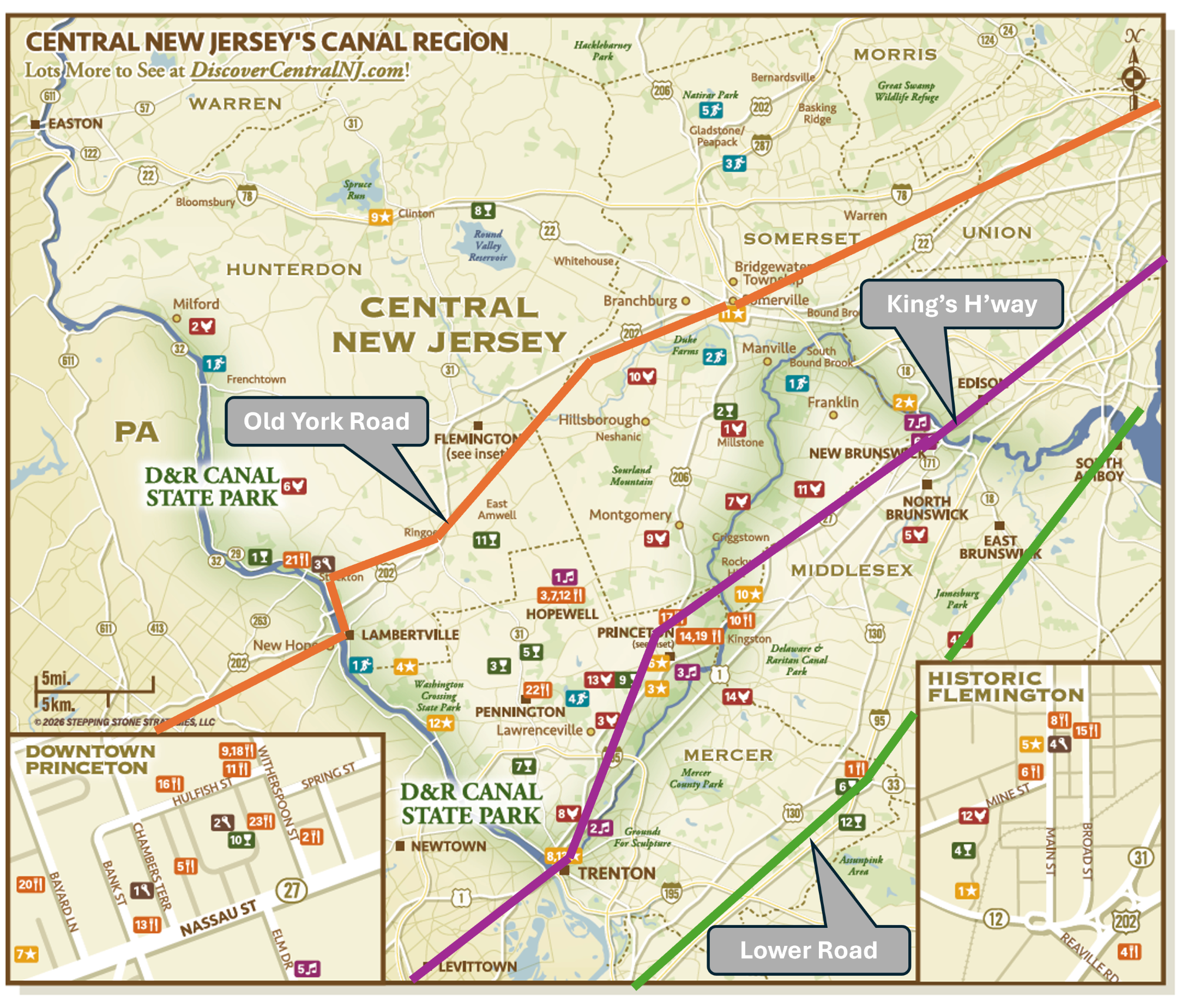
The three major colonial routes between New York and Philadelphia. Click for interactive map.